


Cynor Laboratories was founded in 2021 in Gujarat, India, with a vision to deliver Lab‑grade and industrial chemicals that meet the highest standards of quality, safety, and reliability. As a partnership firm, we are driven by scientific integrity, precision, and customer‑focused service. At Cynor Laboratories, we do not just supply chemicals — we are committed to being your trusted partner in research, quality control, manufacturing, education, and industrial processes.



Purity & Precision: From raw material selection to final packaging, we enforce strict quality controls. Every batch is tested to ensure specifications, purity, trace contaminants, moisture content, and performance, so our products deliver predictable, reproducible results.
Safety & Compliance: We comply with all relevant national and international regulations. We provide Material Safety Data Sheets (MSDS), Certificates of Analysis (COA), safe handling guidelines, proper labelling, and environmentally responsible packaging and disposal procedures.
Innovation & R&D: We continuously invest in research and development to expand our product portfolio, improve formulations (e.g. higher purity, better stability), and meet special customer requirements.
Customer Centricity & Reliability: We aim to not just sell a product, but to build partnerships. Understanding client needs, timely delivery, transparent pricing, honest communication — these define how we operate.

BIoxlab is another theme that is beautiful and professinally constructed by the Developers. The price for the template is checp but not qualityh of product.what a bargain , This theme works for many types of web sites and seems to be durble dows nt break and it.
BIoxlab is another theme that is beautiful and professinally constructed by the Developers. The price for the template is checp but not qualityh of product.what a bargain , This theme works for many types of web sites and seems to be durble dows nt break and it.
BIoxlab is another theme that is beautiful and professinally constructed by the Developers. The price for the template is checp but not qualityh of product.what a bargain , This theme works for many types of web sites and seems to be durble dows nt break and it.
BIoxlab is another theme that is beautiful and professinally constructed by the Developers. The price for the template is checp but not qualityh of product.what a bargain , This theme works for many types of web sites and seems to be durble dows nt break and it.
BIoxlab is another theme that is beautiful and professinally constructed by the Developers. The price for the template is checp but not qualityh of product.what a bargain , This theme works for many types of web sites and seems to be durble dows nt break and it.
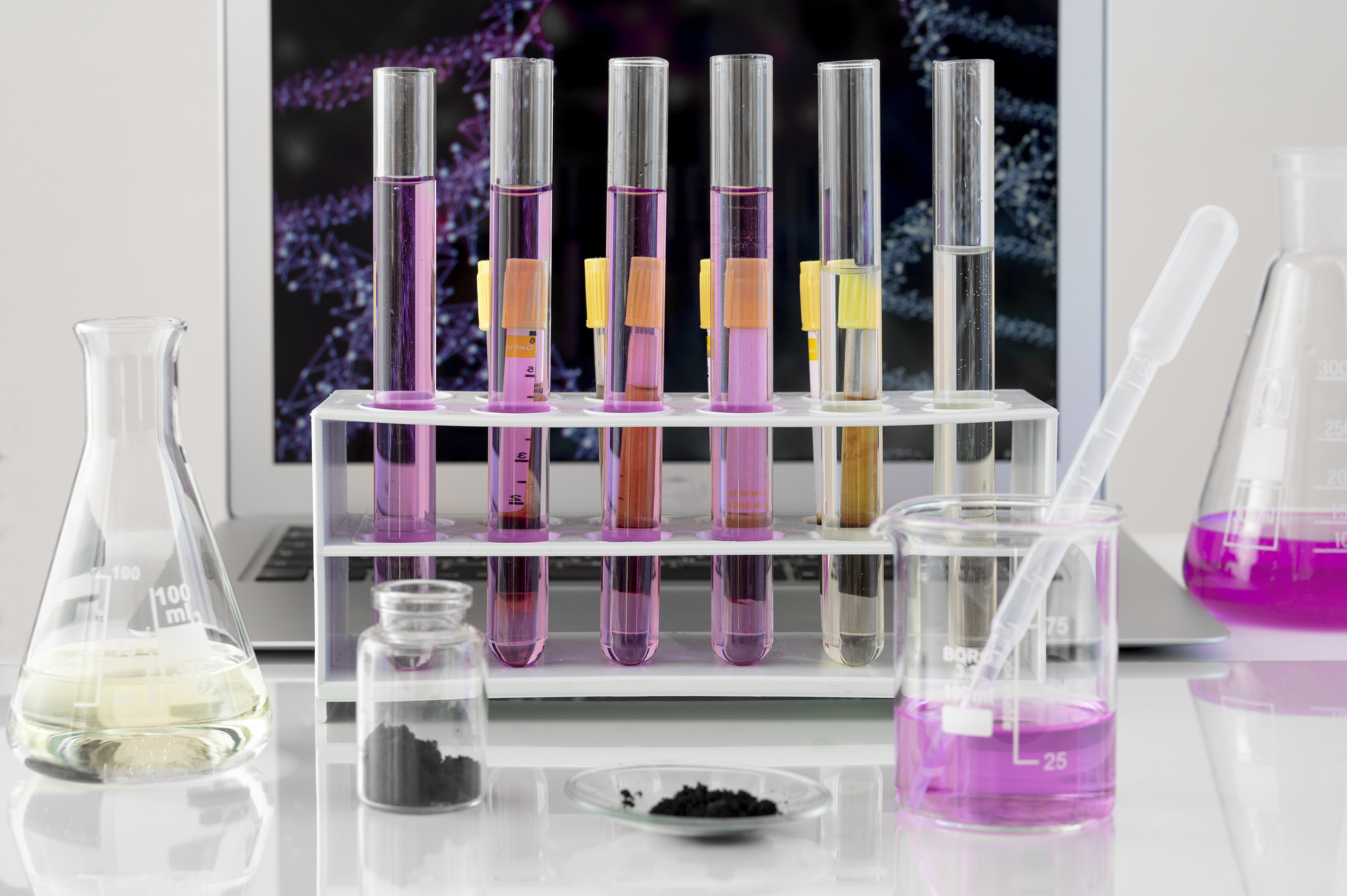
Introduction Laboratory chemicals and reagents are the backbone of research, pharmaceutical development, and industrial applications. Whether it’s a new drug…

In today’s competitive research and industrial environment, the quality and reliability of laboratory chemicals and reagents play a crucial role…

Nam eget dui vel quam sodales semper quis porttitor tortor. Vivamus quis ex nulla.Nam eget dui vel quam Sed ut…
Nam eget dui vel quam sodales semper quis porttitor tortor. Vivamus quis ex nulla.Nam eget dui vel quam
Nam eget dui vel quam sodales semper quis porttitor tortor. Vivamus quis ex nulla.Nam eget dui vel quam
Laboratories used for scientific research take many forms because of the differing requirements of specialists in the various fields of science and
engineering. A physics laboratory might contain a particle accelerator or vacuum chamber, while a metallurgy laboratory could have apparatus for
casting or refining metals or for testing their strength.
Laboratories used for scientific research take many forms because of the differing requirements of specialists in the various fields of science and
engineering. A physics laboratory might contain a particle accelerator or vacuum chamber, while a metallurgy laboratory could have apparatus for
casting or refining metals or for testing their strength.
Laboratories used for scientific research take many forms because of the differing requirements of specialists in the various fields of science and
engineering. A physics laboratory might contain a particle accelerator or vacuum chamber, while a metallurgy laboratory could have apparatus for
casting or refining metals or for testing their strength.
Laboratories used for scientific research take many forms because of the differing requirements of specialists in the various fields of science and
engineering. A physics laboratory might contain a particle accelerator or vacuum chamber, while a metallurgy laboratory could have apparatus for
casting or refining metals or for testing their strength.